New_ SERVICES

Innovative Clinical Research Services for Patients
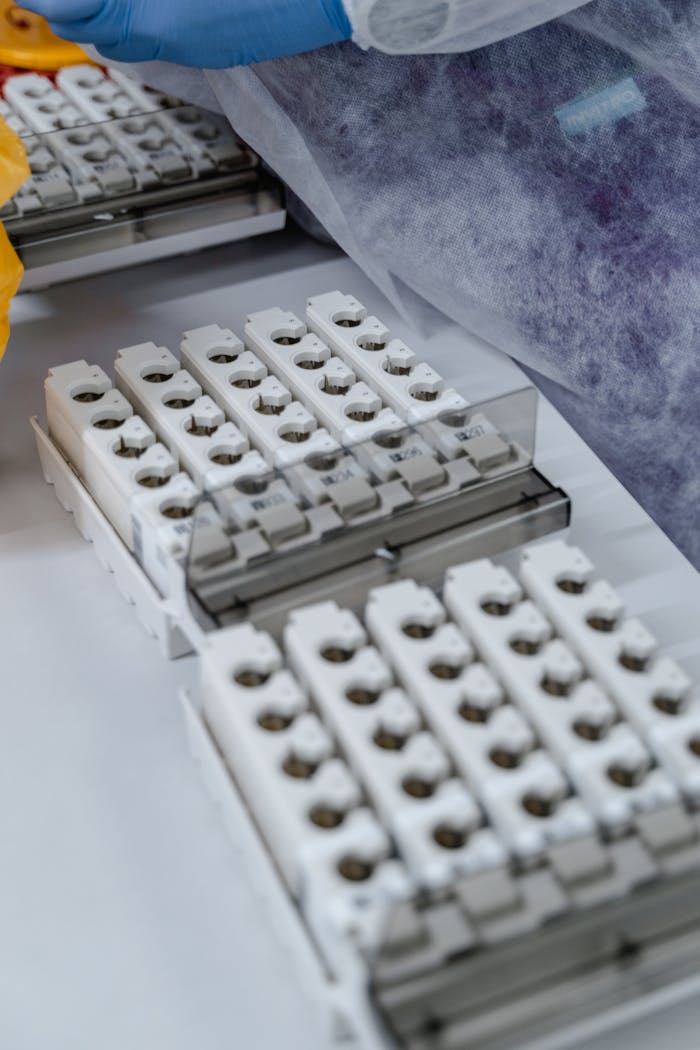

Close-up of laboratory equipment used for biochemical and pharmaceutical analysis.
Organized laboratory sample slides in a close-up view, ideal for medical and scientific use.

Clinical SITE Management

At ACR, we have extensive experience helping clients grow their research division. In each of our consultation contracts, we assess opportunities and risks, develop strategic recommendations and help our clients identify and achieve optimal results. No matter what issue your research team encounters ACR’s elite team will advise and optimize activities to enhance the value of the services you offer. Whether you need advice on regulatory, to employee training, or placement, we have a strategy for you. We offer: Facility Setup, Study Management, Regulatory Compliance, Hiring and Training, and many other services.

CLINICAL RESEARCH

The Patient Selection Process

Once our site is selected by the sponsor, we begin to tell patients about our new protocol to see if they qualify and are interested. Each patient is carefully informed of the risks and benefits of the program. Detailed information is provided that they can review at their leisure either in our office or at home. Questions are strongly encouraged, both from the patient themselves and from family members. No research program is ever a contract. Patients are free to discontinue participation at any time for any reason. The only thing we usually ask is one last visit to make sure that the patient is healthy before ending the program, but even that is optional. If a patient decides that they no longer want to continue, it does not impact their relationship with our physicians.

We match patients to protocols so that our patients have access to cutting edge options before the rest of the population. This benefits the sponsor company by helping build the knowledge about a particular medication, and it benefits the patient by providing them with frequent evaluations and access to new medications. This also benefits future generations. Without clinical research today, there would be no new medications tomorrow.
As one can tell, the clinical research industry is very important because patients have the capabilities to not only change their immediate future in a positive way; but they are also the key to positively changing many generations to come.

When you seek medical care, you want the very best. We are dedicated to providing the best available care through clinical research studies.
If you are seeking to enroll in a clinical trial, you are not alone. Millions of people enroll nationwide every year. Participants in these studies help answer important questions about the best ways to diagnose and treat various medical conditions. People choose research for several reasons: to help others, to advance science or knowledge about a particular disease or treatment, to receive options that might not be available outside of a research facility, and to have state of the art research analysts involved in their case.

These are often the largest trials. Once the medication has been shown to be safe and effective in the previous Phase I and Phase II trials, the next step is to see which doses work best and how the medication compares to others on the market. This is the last step before medications are approved by the Federal Drug Administration (FDA).

Referred to as Phase IV trials, these are trials to further monitor medications that are already FDA approved and on the market.

CLINICAL RESEARCH STUDIES

Pre-Clinical Testing …

In the first phase or “Pre-Clinical” phase, scientists test compounds to see if they improve markers of disease in cultured cell lines and animal models. Extensive testing is done before medications enter the next phase.

The first tests to see how a medication works in people are done in Phase I trials. These are carefully controlled and carefully monitored. Generally Phase Ia trials are done in healthy volunteers. Once Phase 1a trials are completed and the medication is shown to be safe, the medication is tested in Phase Ib trials. Phase Ib trials can be done in people with the disease being studied. Once again, the patients are carefully monitored. Phase I studies generally only have small numbers of patients.

These are often the largest trials. Once the medication has been shown to be safe and effective in the previous Phase I and Phase II trials, the next step is to see which doses work best and how the medication compares to others on the market. This is the last step before medications are approved by the Federal Drug Administration (FDA).


Once the initial safety testing is completed in Phase I trials, the next step can begin. In Phase II trials, the goal is usually to see if the medication is effective in the disease being studied. Phase II trials are larger than Phase I trials.

When you seek medical care, you want the very best. We are dedicated to providing the best 
                                           available care through clinical research studies.
Why enrol in Clinical Trials?

If you are seeking to enroll in a clinical trial, you are not alone. Millions of people enroll nationwide every year. Participants in these studies help answer important questions about the best ways to diagnose and treat various medical conditions. People choose research for several reasons: to help others, to advance science or knowledge about a particular disease or treatment, to receive options that might not be available outside of a research facility, and to have state of the art research analysts involved in their case.

What’s in it for me?

Medical advances throughout history have been possible because of selfless volunteers, and in many cases participants in research have benefited from the advantages of tomorrow’s medicine. Many have enjoyed increased quality of life, improved health and well-being and have enjoyed knowing they are part of medical history, by helping tomorrow’s future. Today is the perfect day to volunteer.

Scroll to Top